
ข่าวอุตสาหกรรม
In the ever‑evolving world of fashion, choosing the perfect material can make or break a garment. For designers, manufacturers and dress makers who prioritise comfort, fit and mobility, understanding how to select 4 way stretch fabric for dresses is essential. This article delves into every meaningful aspect—from fabric science to practical sourcing—so you can confidently select the ideal textile for your next collection.
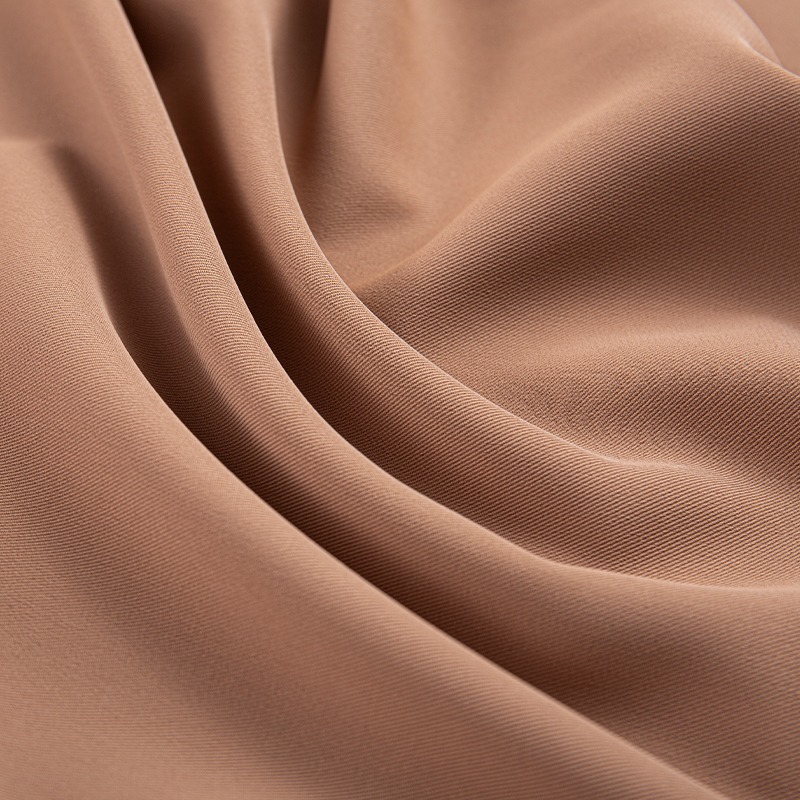
Introduction to 4‑way stretch fabric
What exactly is 4 way stretch fabric ?
- This type of fabric stretches both cross‑wise and length‑wise, and it recovers its shape after stretching.
- By contrast, a 2‑way stretch fabric might only stretch in one direction.
- The advantage for dresses is that the garment moves with the body, providing a better fit and freedom of movement.
Why is it ideal for dresses?
- The mobility: For fitted styles or dresses that require body‑contour, the fabric adapts to curves and movement.
- The comfort: Since it recovers, the garment retains its shape longer and resists sagging or bagging.
- The aesthetics: Smooth surfaces in poly/spandex blends or knit structures allow sleek silhouettes and fewer wrinkles.
Key factors when selecting 4 way stretch fabric for dresses
Weight & drape – e.g. lightweight vs heavy fabric
Choosing between a lightweight or heavier version of 4 way stretch fabric for dresses depends on style, season and design intent.
Quick drape, less bodyMay show more undergarment outlines
| Lightweight fabric | Heavier fabric |
| Ideal for summer dresses, flowy silhouettes, layering | Better for evening dresses, structured pieces, colder seasons |
| More body, holds shape | |
| Better coverage, heavier feel |
Fabric composition – poly/spandex blends and beyond
For dresses, a common choice is the poly/spandex blend, but you might also encounter rayon/spandex, cotton/spandex or nylon/spandex.
- Poly/spandex: durable, retains colour, comparatively lower cost.
- Cotton/spandex: softer hand, breathable, but potentially less recovery or shape retention.
- Nylon/spandex: higher durability, smoother feel, often found in performance fabrics but applicable in premium dresses.
Recovery and elasticity – how fabric performs in motion
When choosing a fabric for dresses, you must ensure that the material not only stretches but recovers. A fabric that stretches but doesn't recover will lead to saggy garments.
- Test by stretching both width‑wise and length‑wise: does it bounce back?
- Check for fabric creep or permanent deformation after wear.
- Better recovery = longer lifespan and better silhouette retention.
Durability & finish – for everyday & evening wear
For dress fabrics, especially where designers may choose a more premium feel, durability and finish are critical.
- Look for colour fastness, less pilling, minimal shrinkage.
- A smooth finish enhances formal dress visuals—shiny finishes, sequin overlays, etc.
- Ensure the fabric supplier has production scale & quality control to deliver consistent batches.
Applying different long‑tail scenarios
Selecting a lightweight 4 way stretch fabric for summer dresses
- Choose lighter GSM (grams per square metre) blends for breathability.
- Ensure good drape so the silhouette flows rather than clings uncomfortably.
- Colour light‑fast and fabric finished for outdoor wear or day events.
Using a poly/spandex 4 way stretch fabric for fitted dresses
- Poly spandex gives structure plus stretch—ideal for body‑skimming dresses.
- Check recovery and seam stability in combination with stretchy fabric.
- Consider blend ratios: higher spandex means more stretch but possibly less drape.
Finding budget 4 way stretch dress fabric wholesale for volume production
- When ordering for a collection, working with a large‑scale textile manufacturer reduces cost per metre.
- Ensure the fabric still meets quality standards (recovery, colour consistency, shrinkage control).
- Compare lead times, minimum order quantities, and dispatch reliability to avoid production delays.
How to choose 4 way stretch fabric for bodycon dresses (design tip)
- Bodycon dresses demand fabric that hugs without restricting—so exceptional recovery is critical.
- Look for fabrics with more spandex or elastane content to support snug fit but maintain comfort.
- Seam placement and fabric direction matter: a stretch fabric with four‑way recovery helps maintain shape from top to bottom and side to side.
Why choose durable 4 way stretch fabric for evening dresses (premium use)
- Evening dresses often incorporate embellishments, heavy drape or layered fabrics—the underlying stretch base must be robust.
- Durable fabric resists deforming during wear, prevents sagging or wrinkling under lighting or movement.
- When sourcing premium fabric, verifying finishing, colour fastness and assembly quality is vital.
Care and maintenance tips for 4 way stretch fabric dresses
Pre‑wash & shrinkage considerations
- Always pre‑wash stretch fabric before cutting or sewing—this avoids post‑assembly shrinkage and distortion.
- Use cold water and minimal agitation; avoid stretching fabric when wet.
Stitching, cutting and sewing advice for stretch fabrics
- Use ball‑point or stretch machine needles to avoid damaging knit structure.
- Cut on a flat surface without stretching the fabric; mark patterns while fabric is relaxed.
- Use zig‑zag or stretch stitch to allow seam to flex with the fabric.
Maintenance: washing, drying, and avoiding damage
- Gentle wash, low tumble or line‑dry to preserve elasticity and finish.
- Avoid bleach and high‑heat ironing that can degrade elastane/spandex fibres.
- Fold rather than hang if heavy embellishments or heavier stretch fabric to avoid distortion.
Why work with a reliable textile partner
Company profile: WuJiang City Hongyuan Textile Co., Ltd.
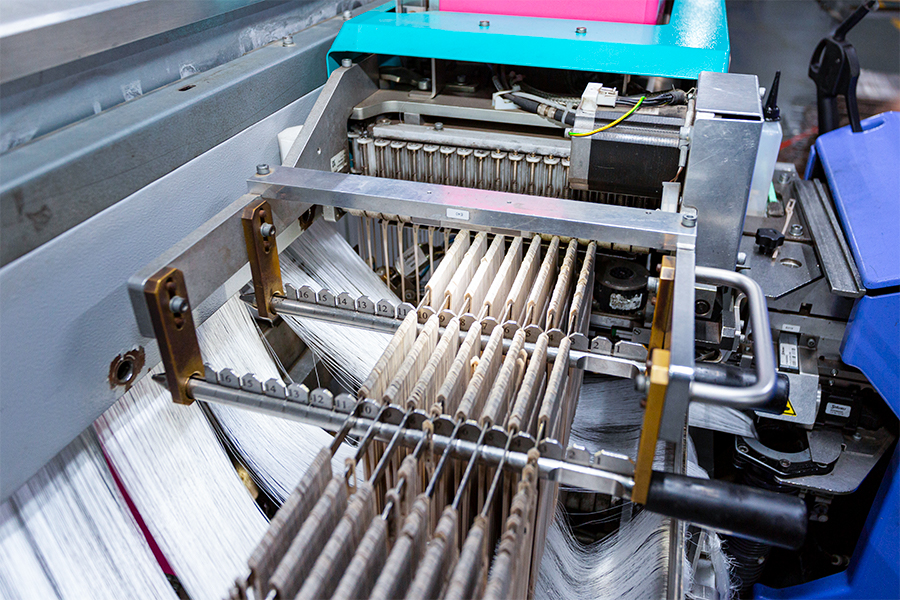
Founded in the 1990s, WuJiang City Hongyuan Textile Co., Ltd. has over 30 years of experience in the textile industry. Located in China's national silk‑intensive area, Shengze (dubbed "Silk Capital"), the company owns a standardized production plant spanning 100 acres, covering 60,000 sq m. With 500 water‑jet looms, more than 500 employees, and comprehensive front‑end facilities including 400 double‑twisting machines and over 10 advanced warp‑drawing units, the company is equipped for large‑scale, consistent fabric production. The company achieves annual sales in excess of 500 million yuan.
What production scale and capabilities matter
- Large scale enables stable supply of high‑quality 4 way stretch fabric for dresses with consistent batches.
- Advanced equipment ensures tighter tolerance on fabric composition, width, GSM, and elasticity—important for dress production where consistency matters.
- Comprehensive facilities mean better control over twists, warp drawing, finishing, all of which influence appearance, feel and performance of the final fabric.
How this ensures quality for 4 way stretch dress fabrics
- A reliable supplier with large scale reduces the risk of fabric variation or supply interruption.
- For premium applications such as fitted dresses or evening wear, quality finishes and stable recovery of the fabric are essential.
- Working with a manufacturer experienced in high‑volume textile production helps streamline procurement, reduce defects, and improve overall garment yield.
Summary & final recommendations
Selecting the right 4 way stretch fabric for dresses is more than choosing a stretchy material—it involves understanding fabric behaviours such as weight, composition, recovery, durability and finish. Whether you are sourcing a lightweight 4 way stretch fabric for summer dresses , a poly/spandex 4 way stretch fabric for fitted dresses , looking for a budget 4 way stretch dress fabric wholesale , or choosing a durable 4 way stretch fabric for evening dresses , the same core criteria apply. Pre‑wash, test recovery, cut and sew carefully, and partner with a manufacturer such as WuJiang City Hongyuan Textile Co., Ltd. who has deep experience and full‑scale production capability. With the right fabric and process, you'll achieve dresses that look great, feel comfortable and perform reliably.
FAQ
- Q1: What does "4‑way stretch" mean for dress fabrics?
A: It means the fabric stretches cross‑wise and length‑wise and recovers its shape. - Q2: Can I use a standard knit or just any stretchy fabric for dresses?
A: You can use stretchy fabrics, but only a true 4 way stretch fabric for dresses ensures movement in all directions and better recovery; fabrics with only 2‑way stretch may sag or distort more quickly. - Q3: How do I determine the right weight of fabric for a dress?
A: If you're making a summer dress, go for lighter GSM for drape and breathability; for evening or structured dresses choose heavier weight for body and form‑holding. - Q4: What sewing tips are critical when working with 4 way stretch fabric?
A: Pre‑wash, use ball‑point or stretch needles, avoid stretching the fabric while cutting, use zig‑zag or stretch stitch and maintain seam stability. - Q5: Why is partnering with a textile manufacturer important for sourcing dress fabrics?
A: A reliable production partner ensures consistent quality, volume capacity, stable delivery and technical support—key for applications like fitted or premium dresses.