
ข่าวอุตสาหกรรม
The world of silk is synonymous with luxury, but the terms used can often be a source of confusion. Many people use "satin" and "silk" interchangeably, but they represent two distinct concepts in textiles. Understanding the difference between Satin Silk Cloth Fabric and other types of silk is crucial for designers, enthusiasts, and anyone looking to make an informed purchase. This guide will demystify these terms by exploring the fundamental distinction between a weave and a fiber, and provide a clear comparison to help you identify and choose the perfect silk for any project.
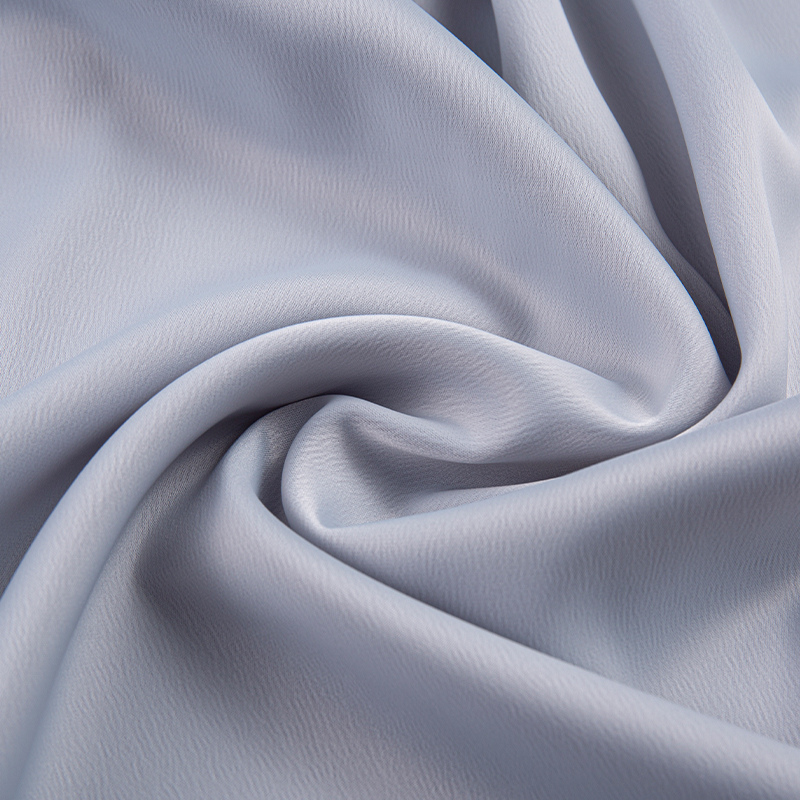
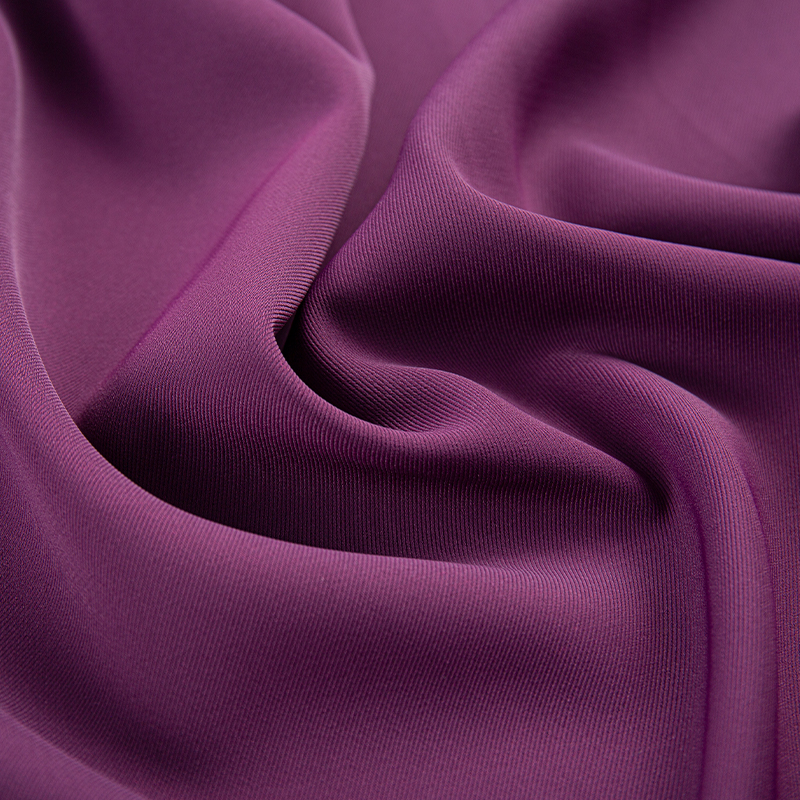
HY228 190GSM Ant Crepe Satin, Dress Shirt Fashion Fabric
Clearing the Confusion: Weave vs. Fiber
The most important concept to grasp is that "silk" refers to the raw material, while "satin" describes a specific method of constructing the fabric. This is the core of the satin weave vs silk material explained dilemma.
The Fundamental Distinction: Material vs. Construction
Think of it this way: silk is the ingredient, and satin is the recipe. Silk is a natural protein fiber produced by silkworms, prized for its strength, luster, and smoothness. Satin, on the other hand, is a type of weave characterized by a glossy surface and a dull back. Therefore, Satin Silk Cloth Fabric is a specific category: it is a fabric made from silk fibers, constructed using the satin weave pattern.
- Silk (The Fiber): A natural material known for its breathability, moisture-wicking properties, and brilliant sheen.
- Satin (The Weave): A weaving technique that creates a smooth, lustrous front by floating warp yarns over multiple weft yarns.
- The Combination: Satin Silk is the result of using the premium silk fiber with the complex satin weave structure.
Defining "Ordinary Silk Fabric": A Range of Possibilities
The term "ordinary silk fabric" is not a technical classification but typically refers to silk fabrics constructed with weaves other than satin. These weaves highlight different aspects of the silk fiber's character, resulting in fabrics that can be lightweight, textured, or matte.
- Plain Weave: The simplest and most common weave, where the warp and weft threads cross alternately. This creates a strong, durable, and relatively matte fabric.
- Twill Weave: Creates a diagonal rib pattern. It is durable and has a subtle luster, often used for silk scarves and heavier garments.
- Crêpe Weave: Uses tightly twisted yarns to produce a finely pebbled, textured surface with a subdued luster and excellent drape.
What is Satin Silk Cloth Fabric ?
Satin Silk Cloth Fabric is the epitome of luxury, combining the inherent beauty of silk with the dramatic luster of the satin weave. It is known for its exceptionally smooth, glossy front and soft, fluid drape.
The Satin Weave: Engine for Luster and Smoothness
The satin weave structure is what gives this fabric its signature characteristics. In this weave, the warp (longitudinal) threads "float" over several weft (latitudinal) threads before being tied down by a single weft thread. These long floats on the fabric's surface are what reflect light so evenly, creating the high-gloss finish and reducing the number of visible interlacings, which makes it feel incredibly smooth to the touch.
- Floating Warps: Typically, a warp thread will pass over four or more weft threads (a 4/1 satin) or even seven or more (an 8/1 satin) before going under one.
- Light Reflection: The long, unbroken surface of the floating yarns allows for maximum, consistent light reflection, producing the signature shine.
- Reduced Friction: With fewer interlacing points on the surface, the fabric has less friction, contributing to its smooth, sleek hand-feel.
Common Types: Satin Silk vs Charmeuse Silk
Within the category of silk satins, there are variations. The most common comparison is satin silk vs charmeuse silk . In essence, Charmeuse *is* a type of silk satin, but with specific characteristics.
- Silk Satin: This is a broader term. It can have a slightly heavier weight and a glossy face with a dull, but still smooth, back. It is versatile and used for everything from apparel to home décor.
- Charmeuse: This is a specific, lightweight type of silk satin. It has the classic glossy satin front but is distinguished by a crepe-back—a slightly rougher, matte backside resulting from using different yarn twists. Charmeuse is exceptionally fluid and drapes beautifully, making it ideal for lingerie, flowing blouses, and evening gowns.
Exploring "Ordinary" Silk: Beyond the Satin Weave
Other silk weaves offer a completely different aesthetic and functional profile, showcasing the versatility of the silk fiber beyond high-gloss luxury.
The Versatility of Plain Weave: Habotai and Chiffon
Plain weave silks are workhorses of the silk world, valued for their softness, strength, and understated elegance.
- Habotai (or China Silk): A lightweight, plain weave silk with a soft hand and a subtle, pearlescent sheen. It is often used for linings, lightweight scarves, and lingerie.
- Chiffon: A sheer, plain weave silk made from twisted yarns, giving it a slight stretch and a faint, gritty feel. It is ethereal and lightweight, perfect for overlays and flowing garments.
The Texture of Twill Weave: Silk Twills and Dupioni
Twill weaves introduce structure and texture, creating more durable and distinct fabrics.
- Silk Twill: Recognizable by its diagonal rib pattern. It is strong, drapes well, and has a soft luster. It is the traditional fabric for high-end silk scarves (like those from Hermès) due to its excellent printability and durability.
- Dupioni: A plain weave silk known for its irregular, slubbed texture. It is crisp and has a shimmering, multi-tonal luster but lacks the smoothness of satin. It's popular for structured garments like suits and wedding dresses.
Side-by-Side Comparison: A Detailed Analysis
To make an informed choice, a direct comparison of key attributes is essential. This will also help clarify the best uses for satin silk cloth compared to other silks.
Visual, Tactile, and Functional Differences
The choice of weave dramatically alters the final fabric's performance and appearance, even when starting with the same silk fiber.
The following table provides a clear, side-by-side comparison of these two luxurious yet distinct categories of silk fabric.
| Characteristic | Satin Silk Cloth Fabric | Ordinary Silk (e.g., Habotai, Twill) |
| Surface & Luster | Very high-gloss, mirror-like shine | Soft, pearlescent, or matte sheen |
| Texture & Drape | Exceptionally smooth, fluid, and heavy drape | Softer, lighter drape; can be crisp (Dupioni) or fluid (Chiffon) |
| Durability | Prone to snagging due to long floats; can water spot | Generally more snag-resistant (plain weave); twill is very durable |
| Common Weave | Satin Weave | Plain, Twill, or Crêpe Weave |
Best Uses for Satin Silk Cloth vs. Other Silks
The unique properties of each fabric make them suited for different applications. Understanding the best uses for satin silk cloth ensures the right fabric is chosen for the project.
- Satin Silk: Ideal for evening gowns, lingerie, luxury bedding, bridal wear, and elegant accessories where a high-gloss, sensual feel is desired.
- Habotai/China Silk: Perfect for garment linings, lightweight blouses, scarves, and kimono due to its softness and smoothness against the skin.
- Silk Twill: The premier choice for high-quality neckties and scarves because of its durability, excellent dye absorption, and elegant drape.
- Dupioni: Best for structured garments like blazers, suits, and upholstery where a crisp hand and textured, shimmery look are wanted.
Practical Considerations: Care, Durability, and Identifying Real Satin Silk Fabric
Owning silk requires knowledge of its care and an ability to distinguish it from synthetic alternatives. This is a key part of identifying real satin silk fabric and ensuring its longevity.
A Guide on How to Care for Satin Silk Fabric
Silk is a delicate fiber, and satin weaves require particular attention. Proper knowledge of how to care for satin silk fabric is essential for preservation.
- Cleaning: Dry cleaning is often recommended for satin silk, especially for structured garments. Some can be hand-washed gently in cold water with a mild, pH-neutral soap.
- Drying: Never wring out silk. Roll it in a towel to absorb excess moisture and lay it flat to dry away from direct sunlight and heat.
- Ironing: Iron on a low, synthetic setting while the fabric is still slightly damp. Always iron on the reverse side to prevent scorching and shine marks.
- Storage: Store in a cool, dry place, ideally in a breathable cotton bag. Avoid plastic, which can trap moisture and cause yellowing.
Durability and Long-Term Maintenance
The long floats in the satin weave make it more susceptible to snags from sharp objects like rings or rough surfaces compared to a tightly woven plain or twill silk. It can also be prone to water spotting. With meticulous care, however, high-quality silk from experienced manufacturers like WuJiang City Hongyuan Textile Co., Ltd. , who control the entire production process from yarn to finished fabric, can last for decades, becoming a cherished part of your wardrobe or home.
FAQ
Is satin silk more expensive than other types of silk?
Not necessarily. The price of any silk fabric is determined by the grade of the silk fiber, the thread count (momme weight), the complexity of the weave, and the finishing processes. A high-quality, heavy-weight silk twill scarf can be more expensive than a lightweight satin. Generally, within the same quality tier, the intricate satin weave may command a slight premium over a simple plain weave like Habotai, but it is the overall quality and weight that are the primary drivers of cost.
Can other fibers be made into a satin weave?
Absolutely. This is a common source of confusion. Satin is a weave, not a fiber. You can find satin weaves made from polyester, nylon, acetate, and rayon. These are often labeled as "satin" or, more accurately, "satin-faced acetate" or "polyester satin." They mimic the luster and smoothness of Satin Silk Cloth Fabric but lack the natural temperature-regulating, hypoallergenic, and biodegradable properties of real silk.
Which type of silk is best for clothing linings?
For clothing linings, Habotai (China Silk) is the most popular and practical choice. It is smooth against the skin, lightweight, strong, and has less friction than satin, making it easier to put on and take off a garment. While satin silk linings are used in very high-end garments for their extreme luxury, Habotai provides an excellent balance of comfort, functionality, and cost.
How can I be sure I'm buying real silk and not a synthetic imitation?
Identifying real satin silk fabric involves a few simple tests. The burn test is the most reliable: real silk burns slowly, smells like burning hair, and leaves a crushable, black ash. Synthetic satin melts, smells like plastic, and forms a hard bead. Always check the label for fiber content. Additionally, real silk feels cool to the touch and has a deep, subtle luster, whereas polyester satin can feel slippery and have a brighter, sometimes plastic-like shine.
Is satin silk suitable for summer clothing?
Yes, but with a caveat. Silk is a natural protein fiber that is breathable and moisture-wicking, making it theoretically excellent for summer. However, the dense, close structure of the satin weave can trap more heat against the body compared to a more open weave like chiffon or a lightweight plain weave. Satin silk is better for summer evenings, formal wear, or in dry heat, while other, more breathable silk weaves might be more comfortable for active daytime wear in humid climates.